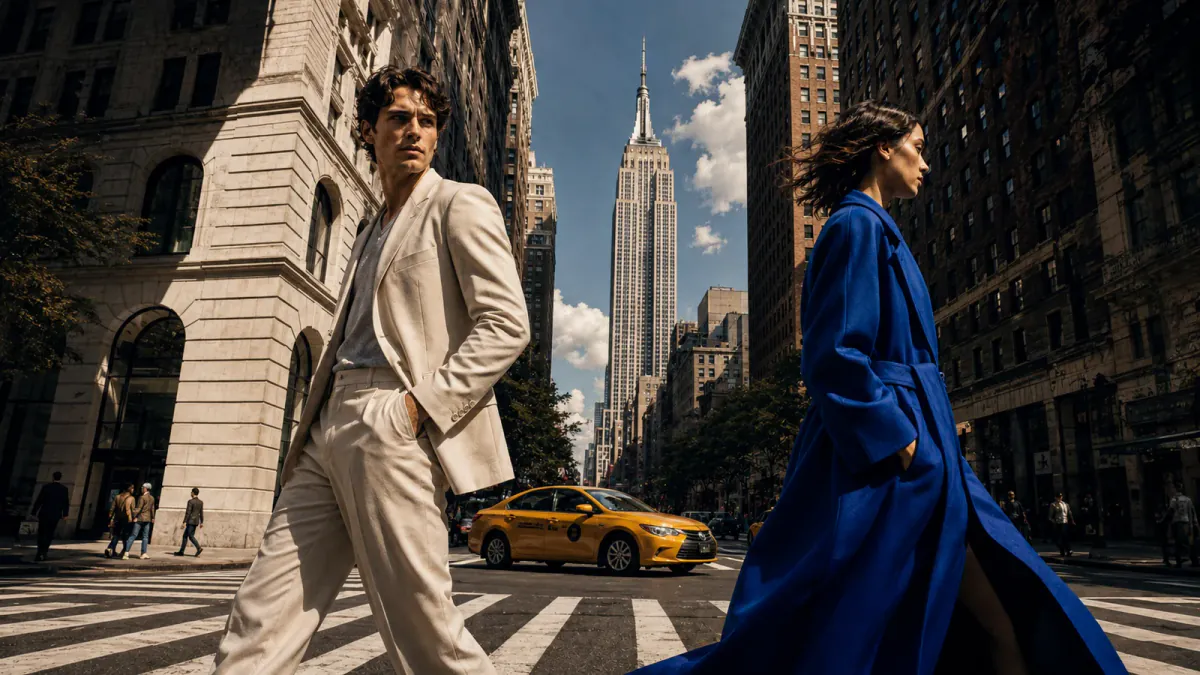
New York Fashion Week now unfolds across more rooms, neighbourhoods, audiences, and definitions of access than ever. The Spring/Summer 2027 season brought the CFDA’s official calendar into conversation with independent showcases, public-facing productions, cultural programmes, and a newly commercialised NYFW brand. That abundance is part of the city’s appeal. It also makes a strong centre more valuable.
Vogue’s September 4 preview described a week alive with debuts, anniversaries, archive sales, exhibitions, Indigenous designers, and unconventional presentations. New York looked less like a single runway circuit than a full fashion ecosystem. The opportunity is to make that expansive map legible enough for new talent to be seen, remembered, and carried forward.
The NYFW name and the official calendar are different assets
The season arrived after a significant ownership change. As The Daily Front Row reported, citing WWD , Signet Fashion acquired WME’s New York Fashion Week intellectual property, including the NYFW, New York Fashion Week, and NYFW: The Shows trademarks, along with associated logos, social handles, and digital assets. The price was not disclosed.
Signet outlined ambitions for live programming, digital content, media production, and brand partnerships. In its hands, NYFW can operate as a year-round media and entertainment property as well as a seasonal industry marker. That opens room for wider audiences, new formats, and sponsorship investment.
The Council of Fashion Designers of America holds another form of authority. It owns and organises the Fashion Calendar and the Official NYFW Schedule. The sale of the NYFW intellectual property did not transfer that stewardship. Signet controls a powerful name and its commercial possibilities. The CFDA organises the professional sequence through which much of the industry encounters the collections.
Both roles can strengthen New York fashion. Their distinction matters because a trademark, a production platform, and an official calendar offer different kinds of value to a designer.
A calendar turns a crowded city into a fashion conversation
The CFDA’s preliminary Spring/Summer 2027 schedule ran from September 10 through 15 with more than 70 runway shows and presentations, alongside appointments and digital releases. The scale was formidable before independent programming entered the picture.
An authoritative calendar is not simply a badge. It is an industry service. Buyers can allocate time, editors can compare propositions, and emerging labels can appear within a recognised sequence. The schedule concentrates attention long enough for individual collections to acquire context and for a season to develop a point of view.
Bach Mai offered one example. His September 14 evening appointment placed the label within the official rhythm of the week. For a designer building a precise language of volume, couture technique, and modern occasion dressing, the calendar did more than announce a time. It positioned that proposition inside the shared account of New York fashion.
Gatekeeping still deserves scrutiny. Entry standards can preserve relevance or reinforce old hierarchies, depending on how clearly and fairly they are applied. The answer is greater transparency, not a collapse of every distinction. Designers need to know what a platform curates, which audience it convenes, and what professional follow-through it can support.
Independent platforms give New York more points of view
Asian NYFW created a focused platform for Asian and diaspora designers, with September 12 programming at Lavan Midtown. Its combination of runway, shopping, and a designer meet-and-greet connected presentation with direct encounter. That is a distinct proposition, built around community and cultural focus rather than official-calendar status.
Smaranika Sarangi appeared in its evening lineup. Her Drape Dead Elegance label was already visible through an April Harper’s Bazaar Vietnam collection feature , giving audiences a record of the drape, ornament, and silhouette that shape her practice. Independent programming can make this kind of design voice easier to encounter within the intensity of fashion week.
Runway 7 presented September 8 through 13 programming at Sony Hall, with public tickets, streaming, and registration routes for designers and buyers. Shared production can give labels a substantial stage without requiring each one to build an entire event infrastructure.
The Bureau offered another public-facing route with September 11 through 13 shows at Gotham Hall. Its published lineup placed Pia Bolte in the Friday evening programme. The label’s own site then extended discovery beyond the collective runway, an essential bridge when the next designer and next show arrive in quick succession.
These platforms give New York breadth. They can foreground communities and aesthetics that the establishment has not consistently served, welcome audiences beyond the traditional front row, and let designers choose a format that fits their ambitions. Their strength lies in being specific about the access they provide.
Attention is fashion week’s most finite luxury
The proliferation of stages does not produce more hours in a buyer’s day. Venue changes consume time. Simultaneous shows force choices. Purchasing budgets remain finite. In a dense schedule, an unfamiliar label can be the easiest appointment to lose even when its work deserves a closer look.
This makes coordination an act of support. Clear platform identities, accurate schedules, realistic travel times, and accessible designer information help editors and buyers move through the week with intent. They also help designers understand what they are joining before committing the considerable cost of a presentation.
Prestige becomes more useful when its meaning is legible. Official-calendar inclusion, an independently curated showcase, and a public ticketed production can each carry value. They should not need to pretend to be the same thing. A precise account of audience, selection, and services allows every platform to be judged on its own strongest terms.
The cultural reward is equally important. New York Fashion Week earns global attention when individual collections accumulate into a discernible statement about American fashion. A decentralised week can still achieve that concentration if its many voices remain in dialogue.
New York can expand without losing its centre
Eila Mell’s New York Fashion Week: The Designers, the Models, the Fashions of the Bryant Park Era I may earn a commission records a period when one venue gave the week a powerful physical identity. The publisher describes a history assembled through photographs and interviews. Bryant Park was memorable because it concentrated attention, not because its structure should be restored unchanged.
The contemporary opportunity is more ambitious. The CFDA can keep the official calendar authoritative while making its standards intelligible. Signet can use the NYFW brand to bring investment and public energy into the week. Independent producers can sharpen their curatorial identities and connect presentation with lasting discovery.
New York does not need one tent or one gate. It needs an ecosystem in which each door clearly signals where it leads, and a shared centre strong enough to turn many excellent collections into a season the world can recognise.