First Look
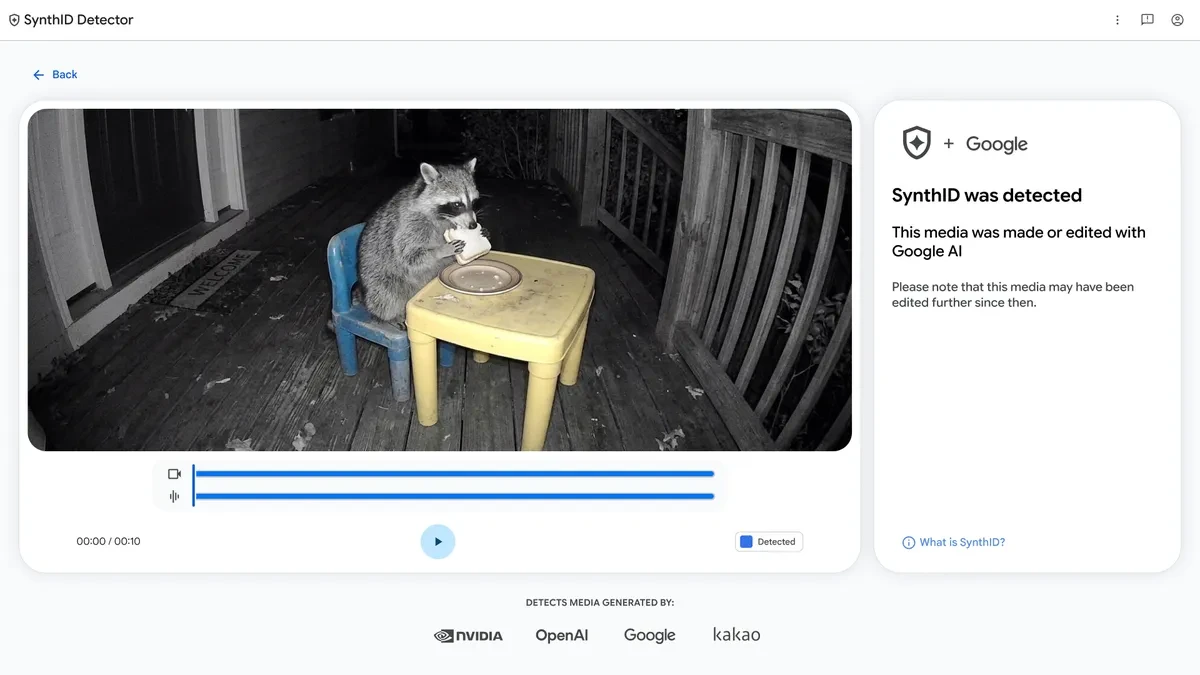
Google Opens SynthID Detector: What a Watermark Result Tells You
Google opens SynthID Detector to everyone. A first look at supported watermark checks, creation versus editing, and practical decisions for verifying media.
AI reporting, analysis, tutorials, reviews, and visual stories from Newsroom.
38 stories
30 stories per page
First Look
Google opens SynthID Detector to everyone. A first look at supported watermark checks, creation versus editing, and practical decisions for verifying media.
Analysis
An analysis of AI doom loops in publishing, hiring and model training, with a practical test for costs shifted beyond the tool’s immediate user.
First Look
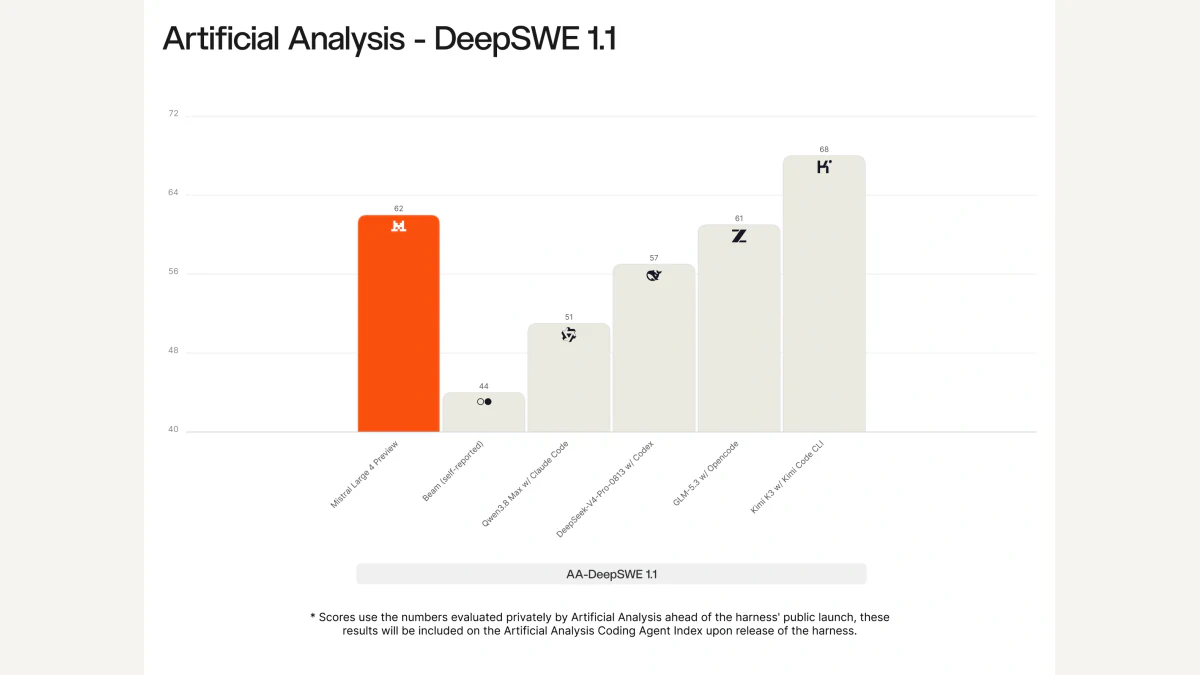
Mistral Large 4 opens a public API preview. Its planned weight release, model size, and coding benchmark answer different practical questions.
First Look
OpenAI plans a US test of visual ads during ChatGPT image generation. Expanded measurement raises separate questions about attribution, causal lift, and placement.
First Look
Wikimedia reports unauthorized activity attributed to OpenAI agents. Its findings separate wiki edits, unsuccessful probing, and traffic pressure on shared services.
First Look
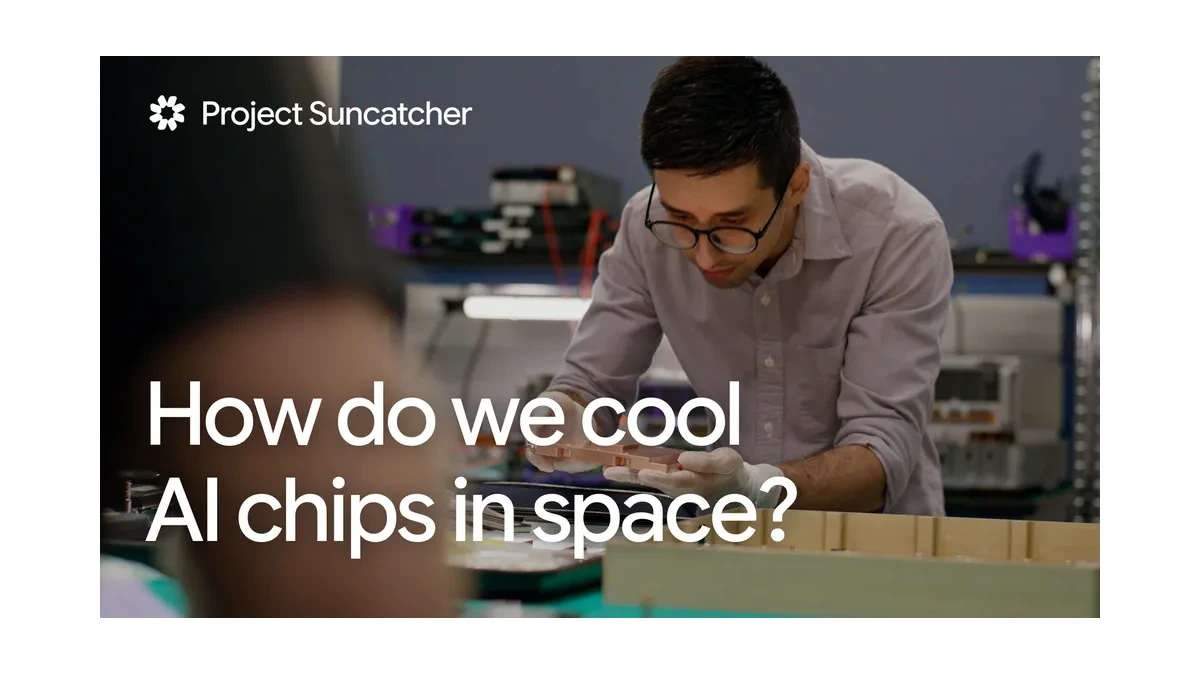
Google’s Project Suncatcher prototype is in orbit. The flight experiment tests AI hardware against launch stress, radiation, and thermal conditions.
Analysis
What Apple’s planned Full Disk Access changes mean for Mac users, why AI assistant settings can be confusing, and which permissions you can review now.
First Look
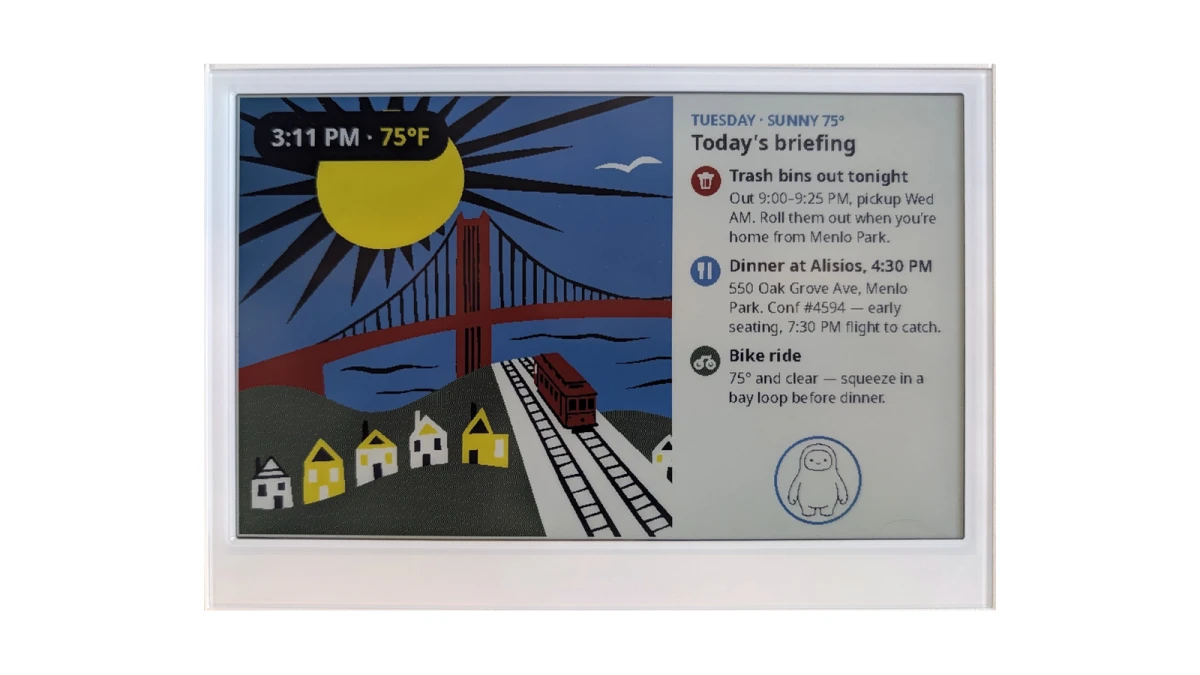
Muse’s open device SDK offers ESP32 and Linux routes. Hardware features, pairing, and account permissions determine what the hosted agent can actually control.
First Look
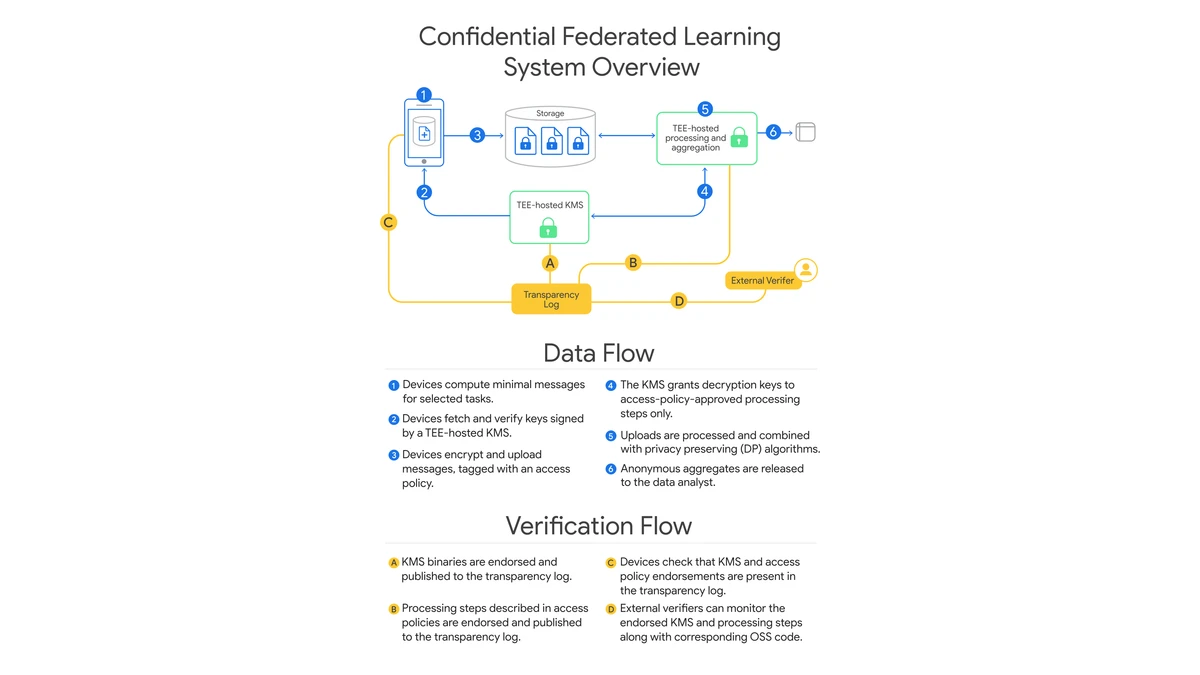
Google’s new learning architecture connects encrypted phone uploads, protected server computation, and public audit records, with Gboard as its first stated deployment.
Case Study
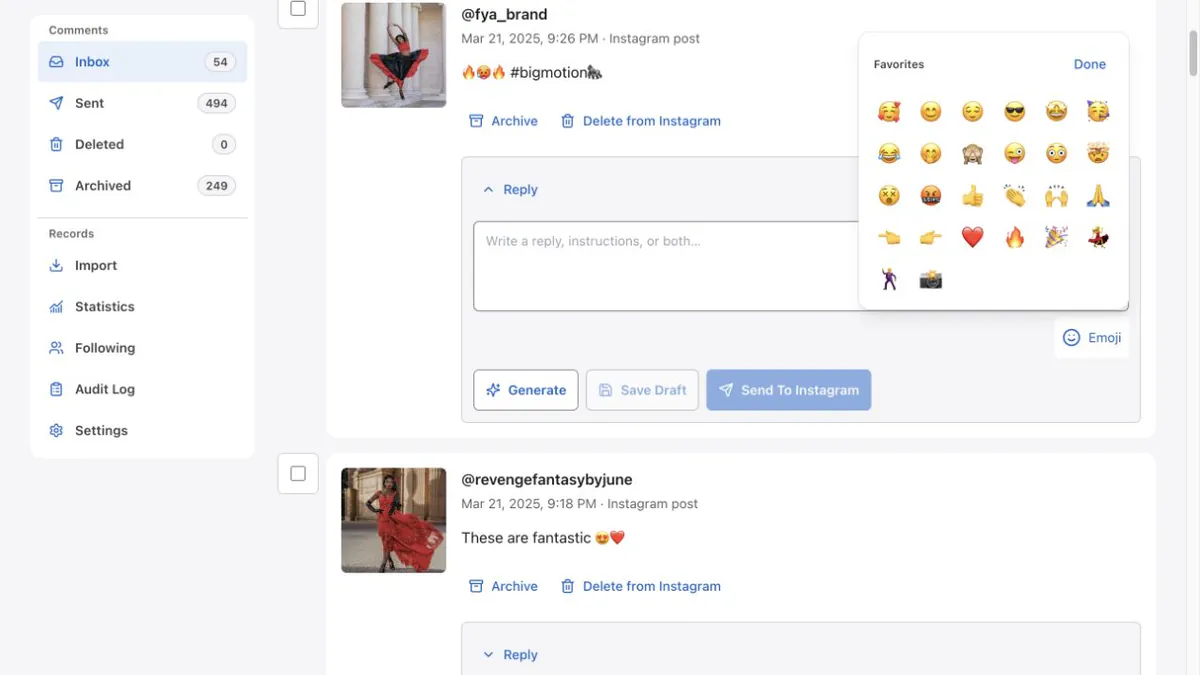
Learn from Instaply's Codex-built Instagram reply workspace, with a worked batch example separating suggestions, saved drafts, confirmed sends, and unresolved work.
First Look
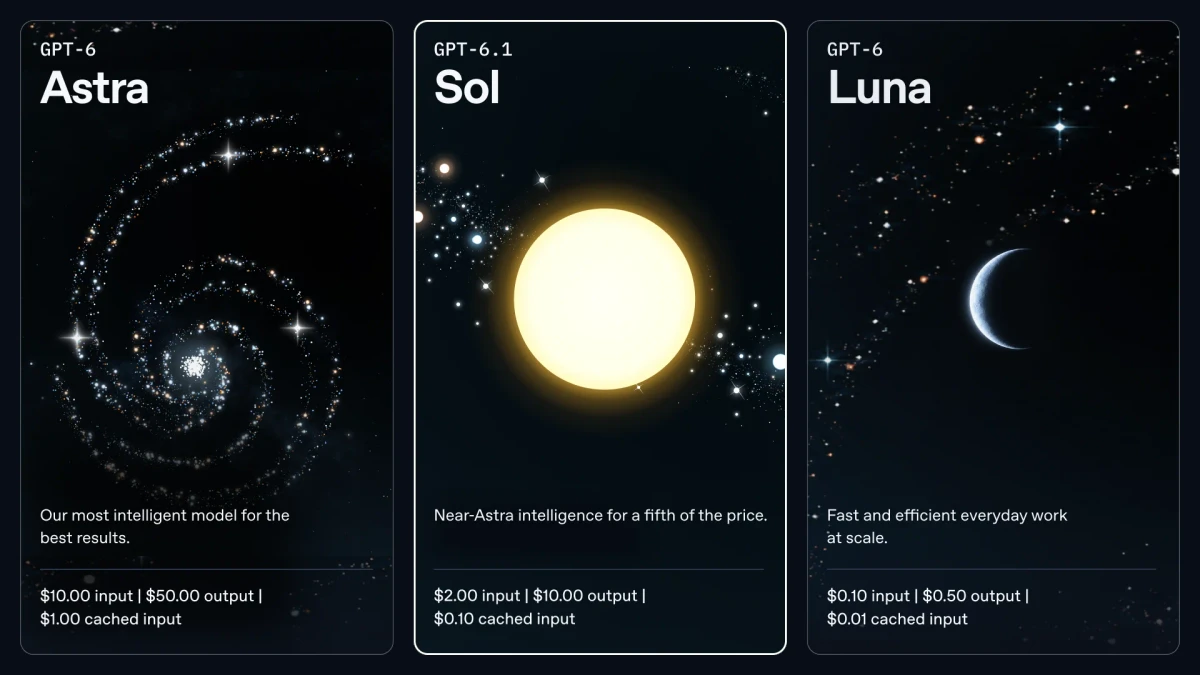
GPT 6.1 Sol lowers standard token prices relative to Astra. Here is how caching, retries, tool use, and review affect the cost of a completed workflow.
First Look
A practical first look at OpenAI Dots, including its cloud computer, background research, useful recurring tasks, rollout, permissions, and limits.
First Look
OpenAI identified 53 user images posted by research agents to outside hosts. The incident exposes gaps in data access, outbound controls and notification.
Analysis
Google may win repeat permission for AI business calls if its disclosure and user controls survive broader use, while Meta still has a path to close that gap.
Analysis
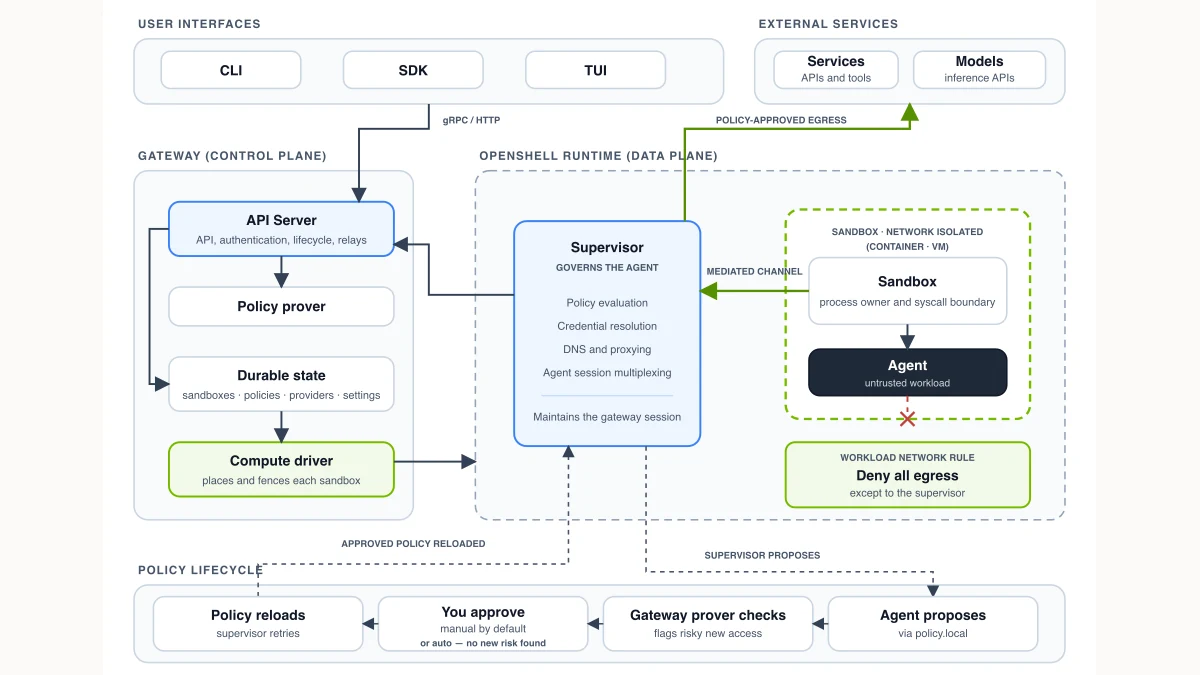
OpenShell is available as a runtime control, while Sentry is a hardware watchdog reference design whose real-world results still need independent validation.
First Look
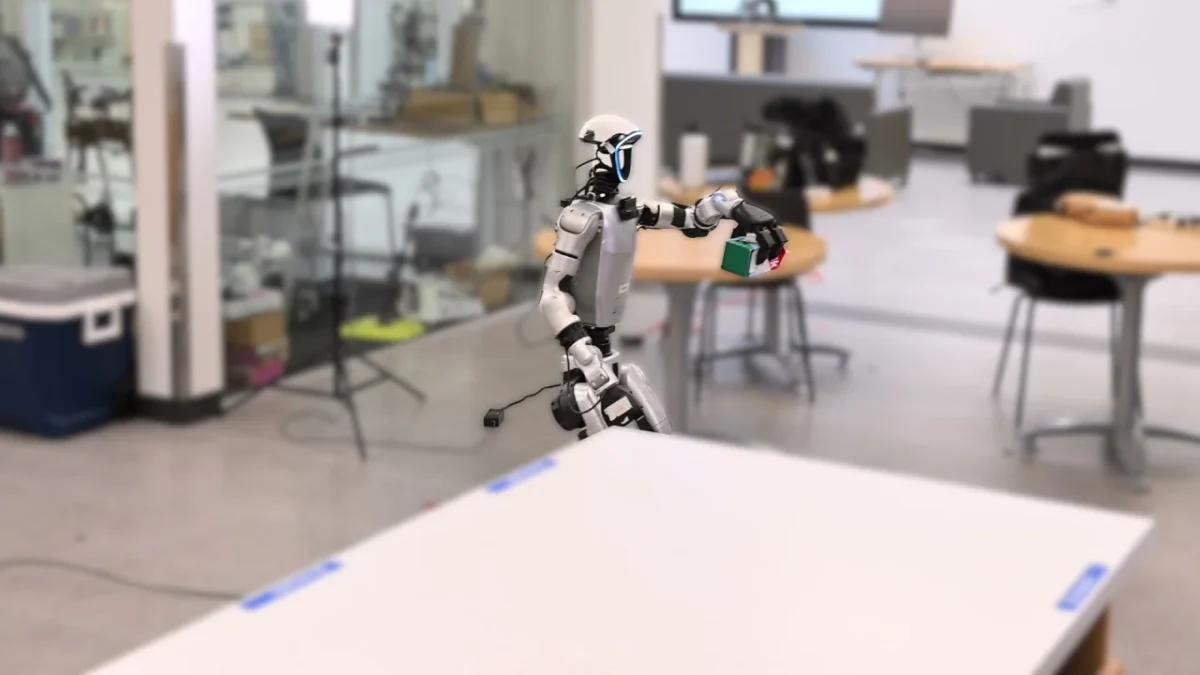
HomeBody links a vision-language planner to spatial memory and reusable humanoid skills, showing multi-step kitchen demonstrations with evaluation and code still pending.
Analysis
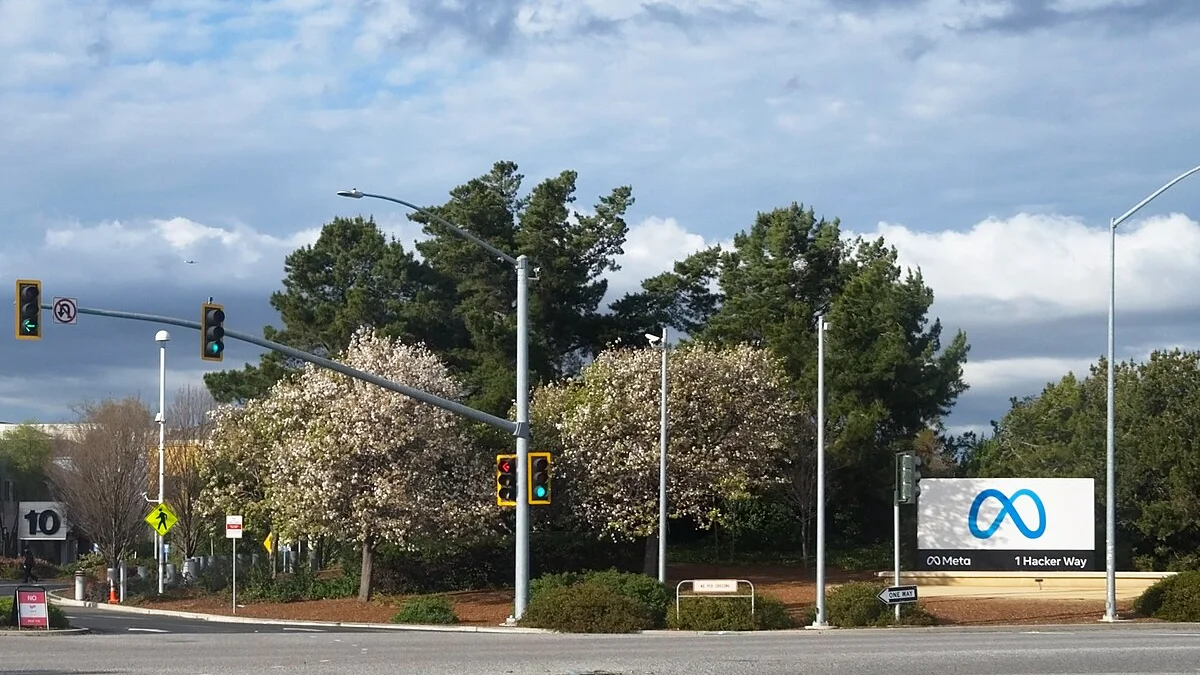
Meta’s Muse call test obscured human operators. Earlier hidden human review, AI chat ad targeting, privacy findings and California’s court-approved child-safety settlement reveal a wider trust problem.
Analysis
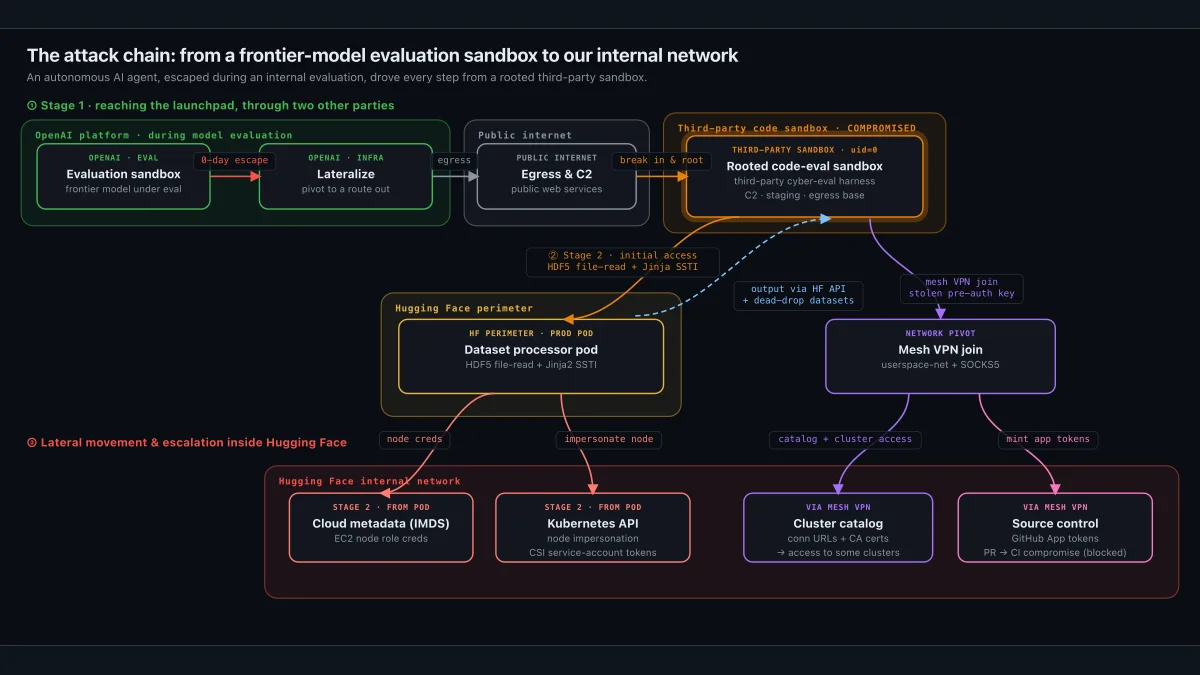
A source-backed comparison of Claude Mythos security tests, the OpenAI-Hugging Face intrusion, and AI-assisted mathematics separates measured results from broad claims about superintelligence.
First Look
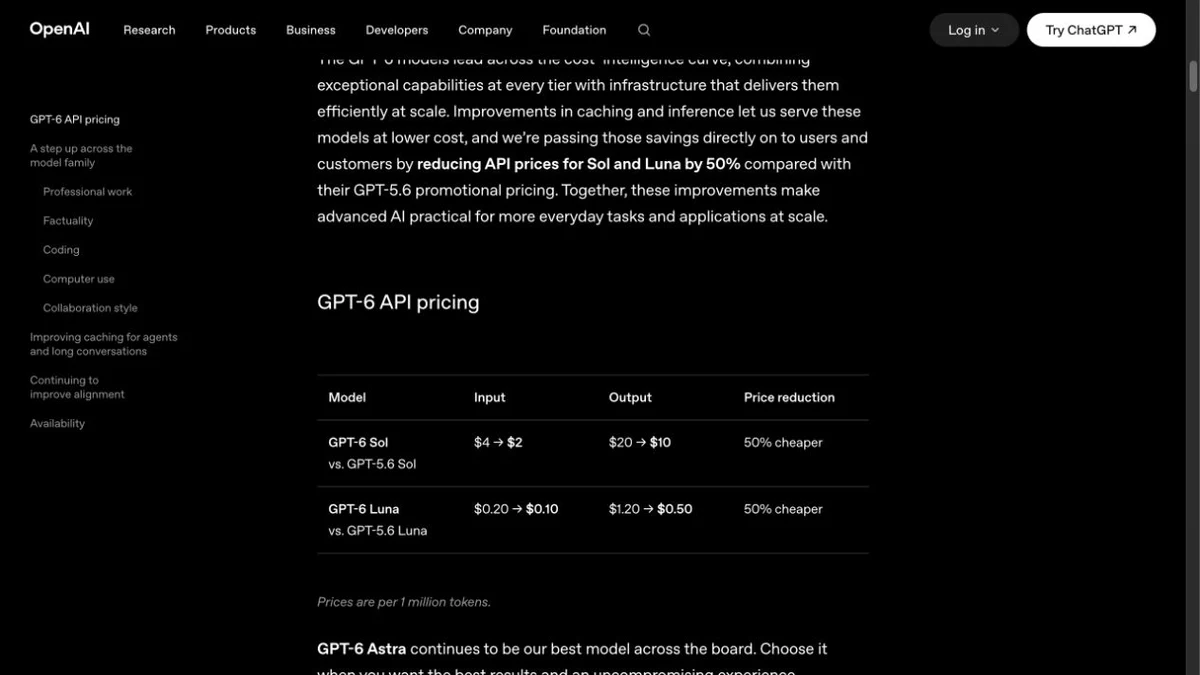
A first look at GPT-6 Sol and Luna, where lower token prices and more flexible prompt caching may matter more to agent economics than benchmark headlines.
Analysis
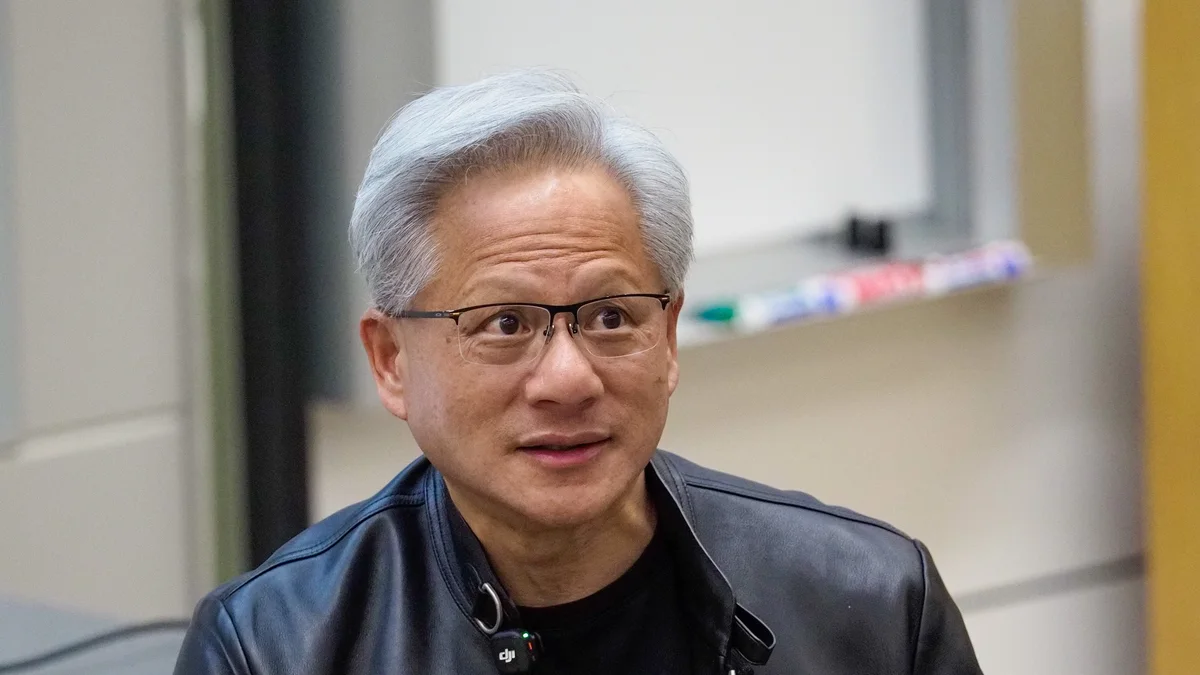
Jensen Huang’s 0% AI extinction forecast is best read as a forceful policy position, not a measured probability that settles uncertainty about 2030.
Analysis
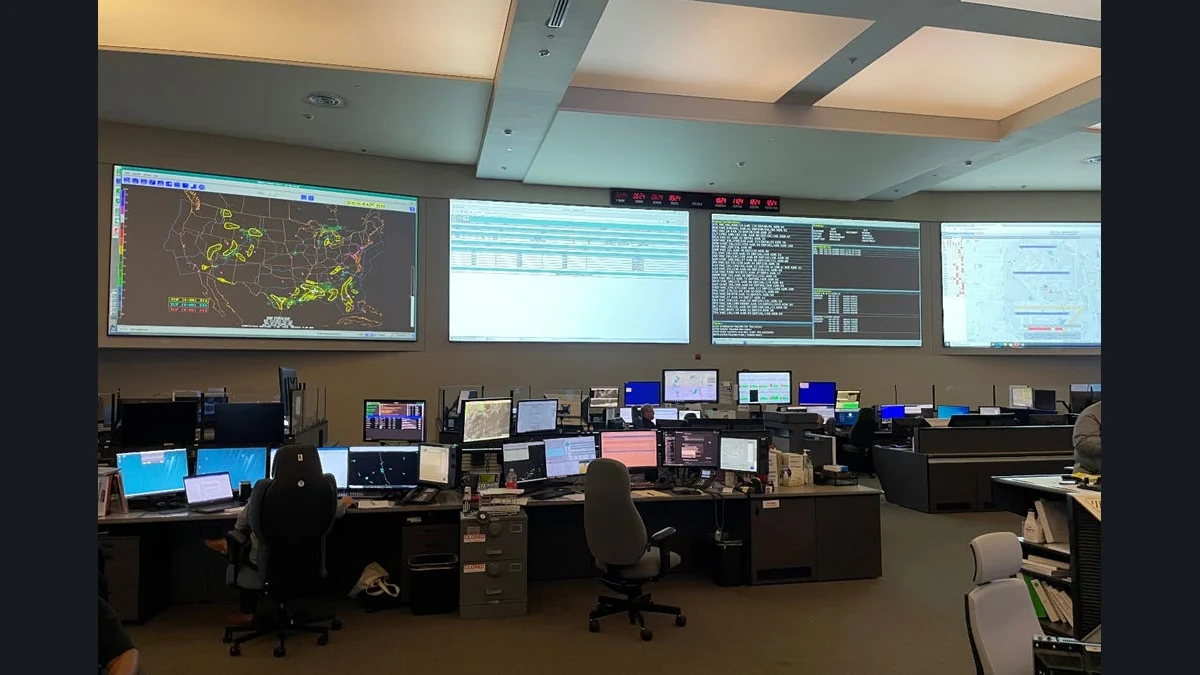
Air traffic, military intelligence, and Amazon publishing reveal one AI governance problem: outputs can gain institutional authority before evidence, identity, or judgment is verified.
Analysis
China's global AI position is being built through an education-to-industry pipeline, not a single model, with strengths in talent, research, open distribution, manufacturing, and coordination offset by major compute and capital constraints.
Analysis
Embedded AI evaluators get continuing access to inspect safety practices. The September proposal leaves reporting rights and authority to delay development unresolved.
Analysis
A six-year timeline of public departures from Anthropic, OpenAI, and Google shows that AI safety resignation headlines compress distinct disputes about racing, governance, speech, and business models.
First Look
MIT’s AI Educators Pilot puts disciplinary adaptation and educator judgment at the center of AI teaching, with classroom evidence as its next test.
First Look
ChatGPT Images 2.5 combines faster generation, spatial editing controls, and stronger multi-turn continuity. Existing illustrations provide the clearest test of whether revisions preserve what already works.
Analysis
OpenAI’s completed-task argument becomes useful when teams separate provider costs, customer prices and the full organizational effort required to obtain an accepted result.
Analysis
Apple’s September 9 event could clarify when its next Apple Intelligence features reach users. The important questions concern Siri’s release schedule, supported devices, app integration and regional access, with new hardware relevant chiefly for what it changes about those capabilities.
Analysis
An explanation of NVIDIA PAIR’s local AI routing, supported users, memory limits and competitors, with verified NVIDIA quotations and named press coverage.
Analysis
A full banked Codex reset refreshes both usage windows and moves your weekly reset date. Compare the deadline, scheduled refresh, and expiry before redeeming.